Product engineering
Practical writing on AI, product engineering, design and technology for the social sector, from the people who build it.
Page 2 of 10
Learn more about the AI development lifecycle, from planning and data preparation to model development, deployment, monitoring, and continuous improvement.
Understand how Artificial Intelligence, Machine Learning, and Deep Learning differ and relate to each other, with real-world examples and use cases for each.
Explore the different types of artificial intelligence, different AI systems, AI agents, generative AI, and how businesses can choose the right AI approach.
Learn how artificial intelligence works, its real-world applications, the role of data science, and how AI is transforming businesses across industries.
Learn about AI development in 2026, including AI development services, tools, AI chatbot, AI agents, trends and how to choose the right AI development company.
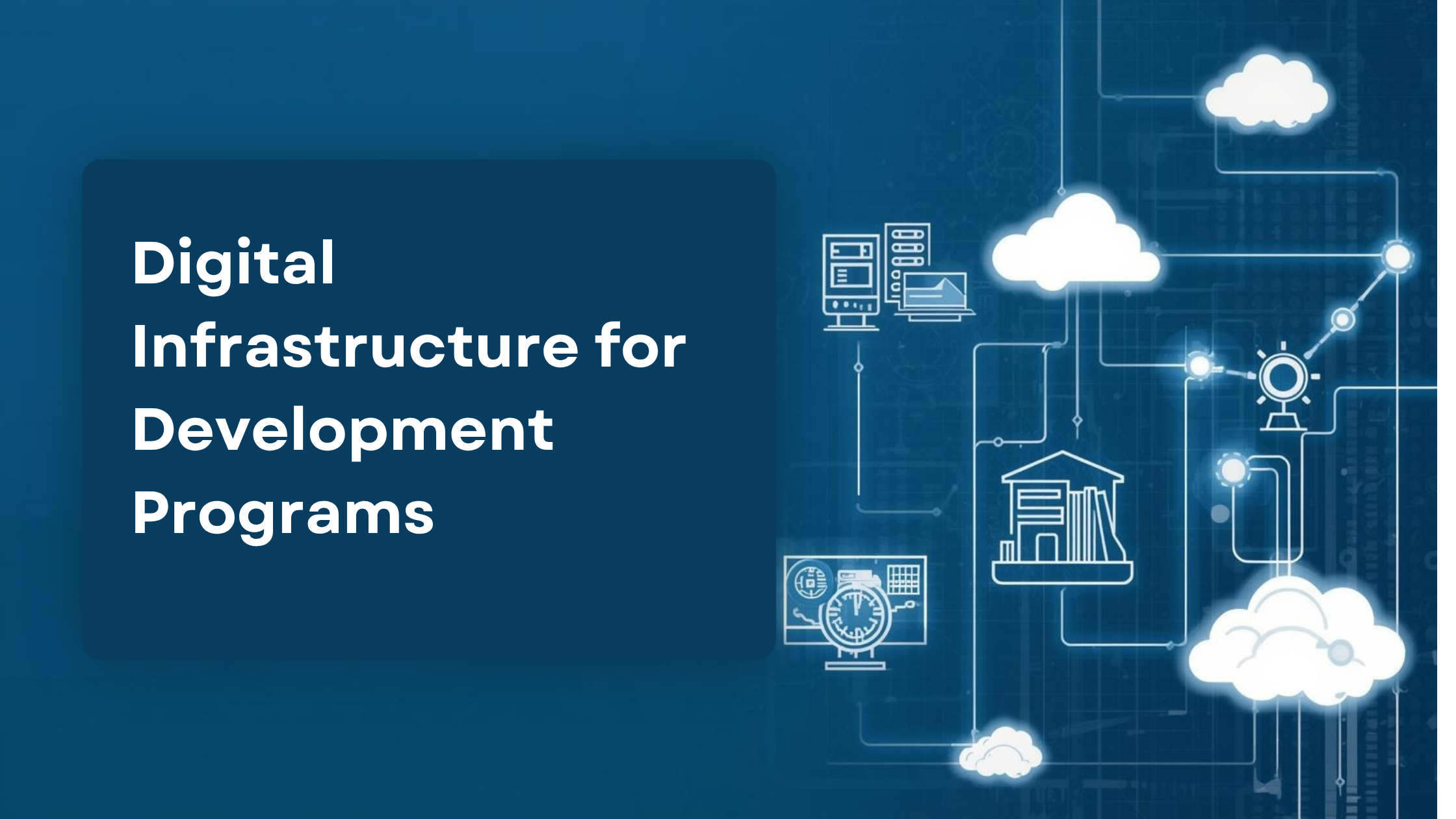
Digital infrastructure for development programs means four layers working together. Here is what each one does and why missing any of them breaks the whole system.
Explore UI/UX Wrapped 2025 — a Spotify-style recap of top design trends, AI-driven UX, 3D interfaces, micro-interactions, and the biggest wins and fails shaping digital experiences.
WhatsApp works until your program grows past it. Read to know what happens when NGOs outgrow informal tools.
Most NGO technology projects get built and never used. Here are the 5 failure modes we've seen and what the projects that actually work do differently.
Learn how Figma Libraries help teams reuse components, styles, and variables to build consistent, scalable, and collaborative design systems.
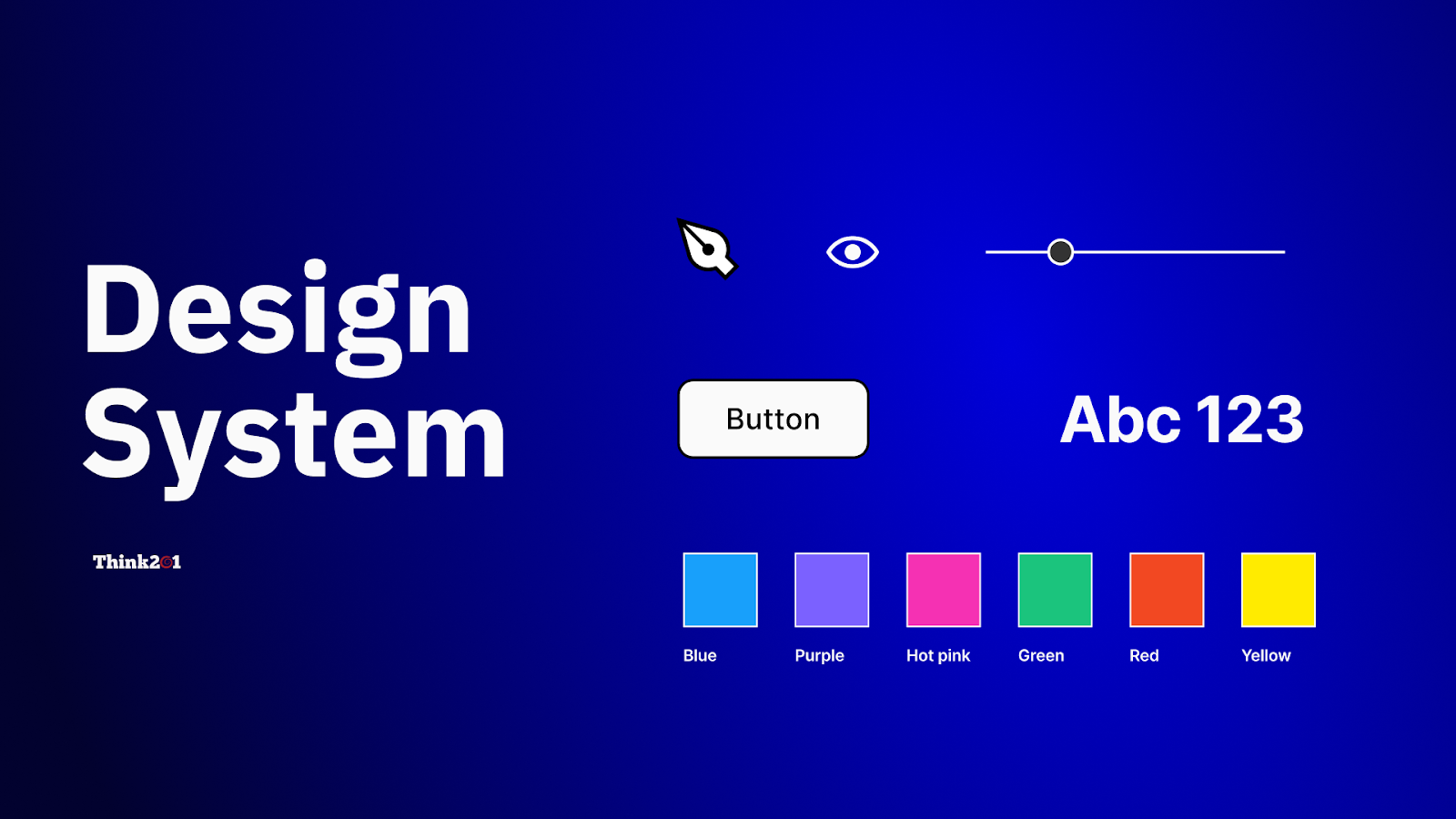
Learn how Figma Styles help designers create consistent, scalable UI systems by managing colors, typography, effects, and layouts efficiently.