Why most NGO technology projects fail & what to do instead?
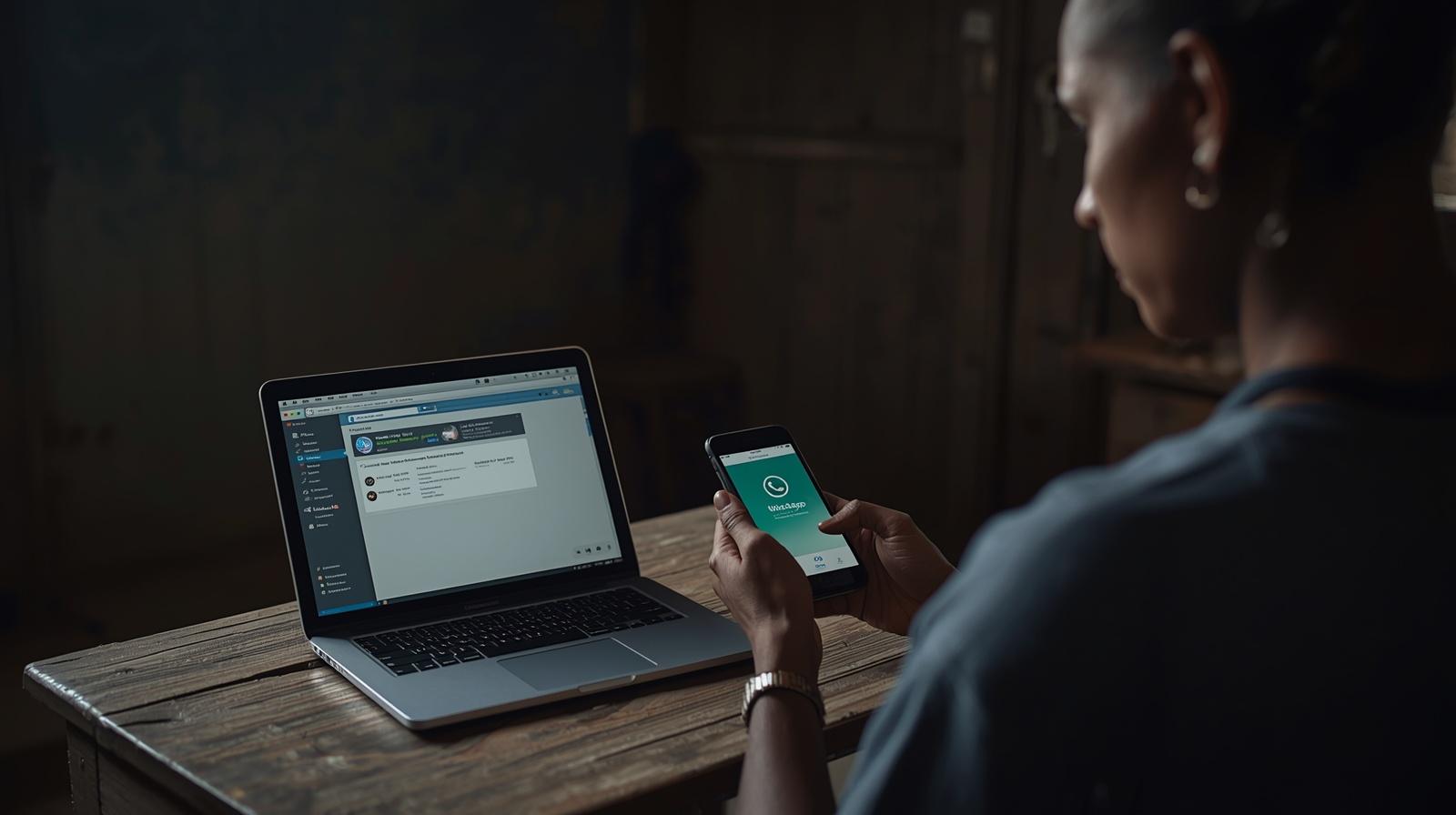
The platform was built. It would have cost a fortune and took good amount of time. On launch day, the field workers looked at it, asked a few questions, and went back to their WhatsApp groups.
Nobody talks about this enough.
The graveyard of unused NGO software is enormous ; beneficiary management systems that nobody logs into, dashboards that nobody looks at, mobile apps with a 4% adoption rate six months after launch. Projects that started with genuine ambition and ended with a vendor exit, a training session, and a slow fade into irrelevance.
We’ve built technology for development programs for over a decade. We’ve seen this happen. We’ve been called in to rescue platforms that were supposed to go live a year ago. And we’ve spent a lot of time thinking about why it keeps happening because the failure modes are remarkably consistent.
This post is about those failure modes. And what the projects that actually work have in common.
The five ways NGO technology projects die
1. The vendor built a product, not a solution
This is the most common failure, and the hardest to catch because it looks like success right up until launch.
The vendor runs requirements gathering sessions. They build what was specified. The platform ships on time, has all the features in the brief, and looks excellent in the demo. Then the field workers encounter it and it doesn’t fit how they actually work.
The problem isn’t the engineering. The problem is that the requirements were gathered from the wrong lens. Program directors and project managers describe an idealised version of operations, not the field coordinators who would have to use the system every day.Platform designed for admin visibility. Zero field adoption.
The tell is in the vendor’s first question. When they ask “what features do you need?” before they’ve spent any time understanding your program, you’re already in trouble. Features are answers. You haven’t gotten to the question yet.
The right question is: how does your program actually run? Who does what, when, with what tools, under what constraints, with how much bandwidth, on what devices? The technology follows from the honest answer to that question, it doesn’t precede it.
2. The platform was built for the funder, not the user
Development programs run on donor funding. Donor funding often comes with M&E requirements. Those requirements shape the technology brief. And so you end up with a platform designed to generate reports for a foundation in Geneva, operated by a field worker in a village in Odisha.
The experience from the field worker’s side: 45-minute data entry forms. Information entered in triplicate. A system that creates work without reducing it. No discernible benefit to the person doing the entering but only to the person reading the output.
The result is predictable. Incomplete data, workarounds that slowly leads to abandonment.
The fix is not to ignore funder requirements, they’re real and they matter. The fix is to design the system from the field worker’s experience upward, not from the dashboard downward. If the data you need for your report doesn’t fit naturally into the field worker’s workflow, that’s a design problem to solve, not a compliance burden to impose.
When a field worker enters data, they should get something back. Confirmation that a beneficiary is on track. A flag that a follow-up is needed. Something that makes their job easier, not harder. The report is a byproduct of a system that works, not the reason the system exists.
3. No ownership after launch
This one is quiet. It doesn’t announce itself. It happens over six months, then a year, as small frictions accumulate and there’s nobody whose job it is to fix them.
The platform has bugs. The field workers report them informally, to no one in particular. Nothing happens. The platform has a screen that confuses new users. Everyone works around it. The confusion becomes institutional. The platform has a feature that was urgently requested six months ago and never shipped. The field team stops asking.
None of these are fatal individually. Together, they erode trust in the system until the path of least resistance is to stop using it.
This happens because NGOs don’t think of themselves as technology organisations. There’s no budget line for a product owner, someone who understands the program, prioritises what needs changing, and has the authority to make decisions about the platform. IT support is not the same thing. A project manager who’s moved on to the next project is not the same thing.
After every successful platform we’ve built, the question we always ask the client is: who owns this now? Not who will use it but who owns it. Who will notice when something breaks and make sure it gets fixed? Who will collect feedback from the field and turn it into improvements? Who will decide whether to add a feature or not?
If there’s a pause after that question, it’s a problem that needs to be solved before launch, not after.
4. The solution was chosen before the problem was understood
Someone decided on the technology before the problem was fully understood. The technology became brief.
It happens more than you’d think. A foundation specified in the grant that the project will include “a mobile application.” A consultant recommends a platform they’ve implemented before, in a different context. A program director returns from a conference having seen a demo that solved a different organisation’s problem and wants the same thing.
The technology gets chosen. Then the problem gets reverse-engineered to fit the technology. And somewhere in that process, the actual problem, the one that exists in the field, with these specific beneficiaries, in this specific program, with these specific constraints gets lost.
We’ve seen projects where the RFP runs to twelve pages of technical specifications and has four paragraphs about the program itself. That’s not a brief. That’s a solution looking for a problem.
The discipline required here is straightforward but uncomfortable: resist the urge to specify the solution until you’ve understood the problem well enough that the solution becomes obvious. Sometimes a mobile app is right. Sometimes a lightweight web form that works on any browser is better. Sometimes the biggest problem isn’t data collection at all, it’s that field workers don’t know who they’re supposed to visit this week.
The technology should feel inevitable, not chosen.
5. Scope too ambitious, timeline too short, budget too thin
The project tried to do everything at once. Phase 1 took twice as long as planned. The platform launched with missing features that were supposed to come in Phase 2. Phase 2 funding didn’t materialise because Phase 1 was over budget and over time. The platform is now permanently in a state of “coming soon.”
This is partly a grant cycle problem. Funding periods create artificial timelines. A program that needs eighteen months of careful build gets a twelve-month grant with a deliverable at the end. Everything gets compressed. Shortcuts get taken. The launch is forced before the product is ready. The field experience is poor. Adoption doesn’t follow.
It’s also partly a scoping problem. NGOs underestimate the complexity of their own programs, because they live inside them and what feels like a simple process from the inside involves dozens of edge cases, role variations, and exceptions that the vendor discovers at month four. Vendors under-scope to win the project, then rediscover reality during delivery.
The projects that work start with a ruthlessly small scope. Not “we’ll digitise the entire program.” But “we’ll solve this one thing, the most painful thing and we’ll solve it well.” Adoption follows because something works. Trust follows because adoption is real. The budget for Phase 2 follows because Phase 1 delivered visible value.
A platform that does three things perfectly will always beat a platform that does fifteen things badly.
What the projects “that actually work” have in common?
The projects where field workers use the platform every day, where data quality is genuinely good, where the system compounds value over years rather than decaying, they consistently do five things differently.
They start in the field, not in the requirements document. Before a line of code is written, someone spends time knowing the work that happens. Understanding what the coordinator’s day actually looks like. What information they already have. What they don’t have. What would make Tuesday easier? This isn’t optional research. It’s the foundation that everything else is built on.
They design for the hardest user first. If the field worker in a rural district with a 2G connection and a low-end Android phone can use it easily, everyone can. The mistake is designing for the program director who will look at the dashboard on a laptop with a fibre connection. Design for the most constrained user. Build everything else on top of that.
They launch with less and iterate faster. The most successful NGO platforms launched with a fraction of the features they eventually had. But what they launched worked. It solved one real problem, reliably, for real users. That creates adoption. Adoption creates trust. Trust creates the organisational will to fund Phase 2.
They appoint an internal product owner before launch. Someone at the NGO whose job includes owning the platform after the vendor leaves. Not just IT support, someone who understands the program deeply, can make decisions about what to build next, and has the authority to push for the resources to do it.
They choose a partner who has done this before in this sector. Building a beneficiary management system for a national social program is not the same as building a CRM for a startup. The domain knowledge matters. The ability to translate “how the program works” into “how the system should work” is not a generic software skill; it’s built through years of working in exactly this context, learning from exactly these mistakes.
What’s actually at stake?
The failure of an NGO platform is not just a wasted technology budget. It’s field workers who lose confidence in digital tools and resist the next initiative. It’s beneficiary data that was never cleanly collected and can never be recovered. It’s a funder relationship damaged by a visible failure. It’s twelve to eighteen months of program momentum lost while the technology that was supposed to accelerate the work became the work.
The cost of doing this wrong is always higher than the cost of doing it right.
Most of these failures are not the result of bad intentions or poor engineering. They’re the result of decisions made at the beginning of a project that could have been made differently, decisions about who to involve, how to scope, what to build first, and who to build it with.
None of this is inevitable. We’ve seen it go the other way: platforms that field workers actually open, that program leads actually trust, that compound in value over years. The difference is rarely the technology. It’s almost always the approach.
A final thought
If any of the five failure modes above sounded uncomfortably familiar, you’re not alone. They’re the norm, not the exception. But that also means the organisations that get this right have a genuine advantage not just operationally, but in terms of program quality, data integrity, and the ability to scale.
At Think201, we’ve spent the last decade building digital infrastructure for development programs. We’ve made some of these mistakes ourselves, early on. We’ve learned from them. And we’ve seen what it looks like when a platform becomes the backbone of a program rather than a burden on top of it.
If you’re planning a platform build or trying to rescue one,we’d be happy to share what we know.
Think201 is a digital infrastructure partner for NGOs, foundations, and development programs. We build program management platforms, field worker apps, data systems, and AI-powered insights for organisations working at scale.
Read how we built an end-to-end platform for Milaan Foundation’s Girl Icon Program, serving 50,000+ girl aspirants across India Read here
Want to talk through a platform build? Let’s Connect